cPanel Ecommerce
Run self-hosted store software with direct access to files, databases, email, and backups.
Explore cPanel EcommerceTen flexible paths from managed stores to open-source shopping carts
Compare ecommerce hosting and store applications by ease of use, customization, maintenance, and room to grow. Each option keeps your products, customers, orders, content, and business data on hosting you control.
Run self-hosted store software with direct access to files, databases, email, and backups.
Explore cPanel EcommerceBuild a WordPress store with help for setup, maintenance, security, and performance.
Explore Managed WooCommerceCombine WordPress content with a flexible store and a large extension ecosystem.
Explore WooCommerceManage an open-source store with multi-store tools and an extension marketplace.
Explore OpenCartBuild an international-ready catalog with localization and a broad module marketplace.
Explore PrestaShopUse a long-running open-source cart with community applications and customization.
Explore osCommerceSupport complex catalogs, content, integrations, and custom business rules.
Explore Drupal CommerceChoose flexible approaches for customized catalogs and store workflows.
Explore X-CartOperate a community-supported store with hands-on themes and customization.
Explore Zen CartSell physical or digital products with a free core and optional support.
Explore CubeCart
cPanel hosting gives store owners direct control over domains, email, databases, files, backups, and application installation. It is a practical foundation for WooCommerce, OpenCart, PrestaShop, and other maintained PHP shopping carts.
You choose the software and extensions while retaining control of your store data. This approach works best for owners or developers comfortable managing application updates, security, and performance.

Managed WooCommerce hosting combines WordPress and WooCommerce with help for setup, security, performance, backups, updates, and ongoing maintenance. It reduces the technical workload for businesses that want to concentrate on products and sales.
WooCommerce also connects store pages with WordPress content, blogging, landing pages, and search optimization. It is a strong fit when content marketing and ecommerce need to work together.

WooCommerce is the leading open-source ecommerce plugin for WordPress. Its broad ecosystem supports physical products, downloads, subscriptions, bookings, shipping, taxes, payment gateways, and extensive storefront customization.
The core plugin is free, but specialized extensions and themes may add cost. Store owners remain responsible for keeping WordPress, WooCommerce, plugins, and themes secure, compatible, and optimized.
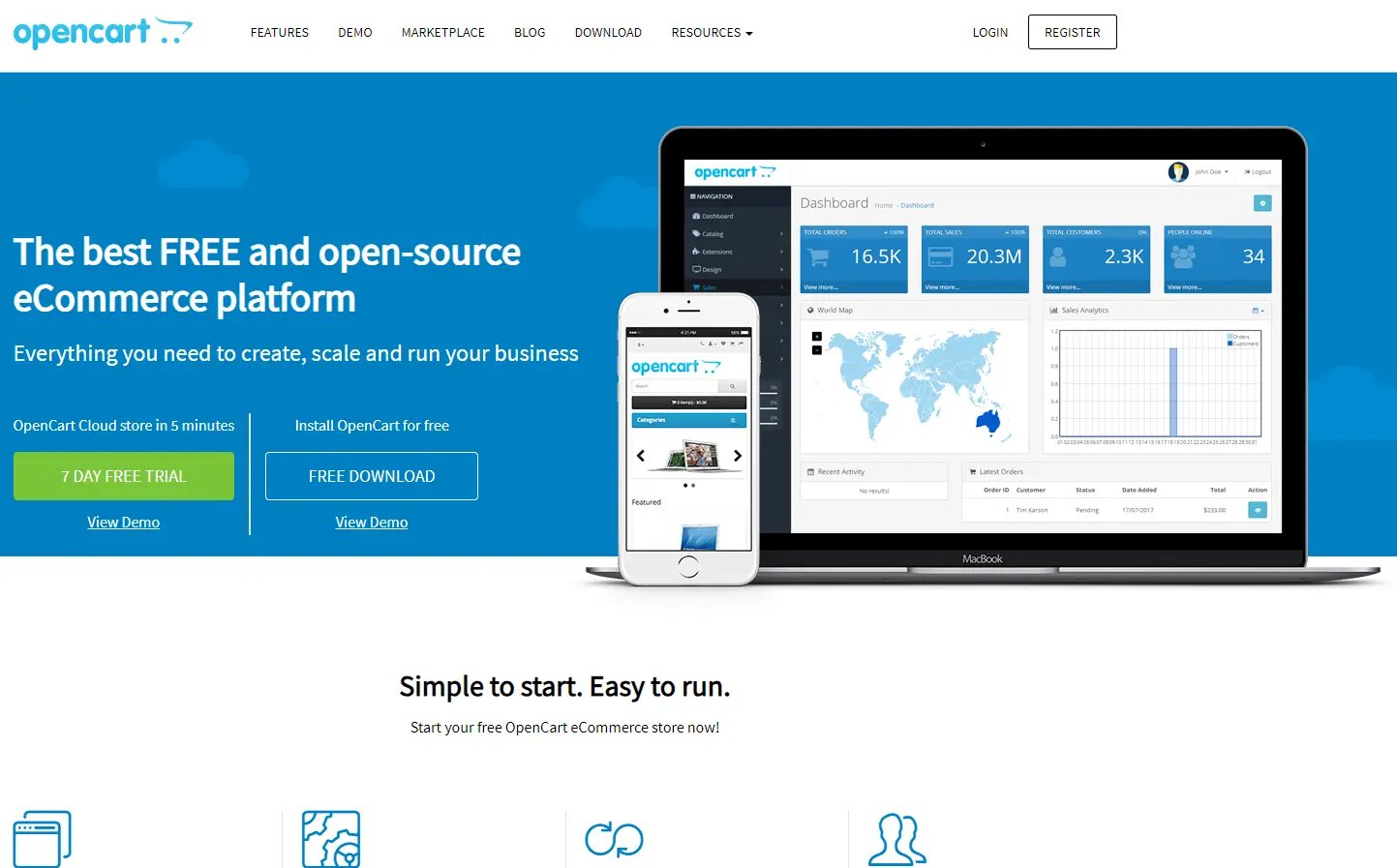
OpenCart is a free standalone shopping cart known for straightforward catalog management and modest server requirements. It supports multiple stores, languages, currencies, payment methods, shipping options, reports, and a large marketplace of extensions.
It can be a comfortable choice for smaller merchants who do not need WordPress. As a self-hosted application, its updates, extensions, backups, security, and performance still require regular attention.

PrestaShop is an established open-source ecommerce platform with strong catalog, product, localization, payment, and order-management capabilities. It has a particularly broad international community and works well for small to midsize product catalogs.
Many useful modules and professional themes are paid, so extension costs should be planned before launch. Careful module selection and suitable hosting help maintain stability as the store grows.
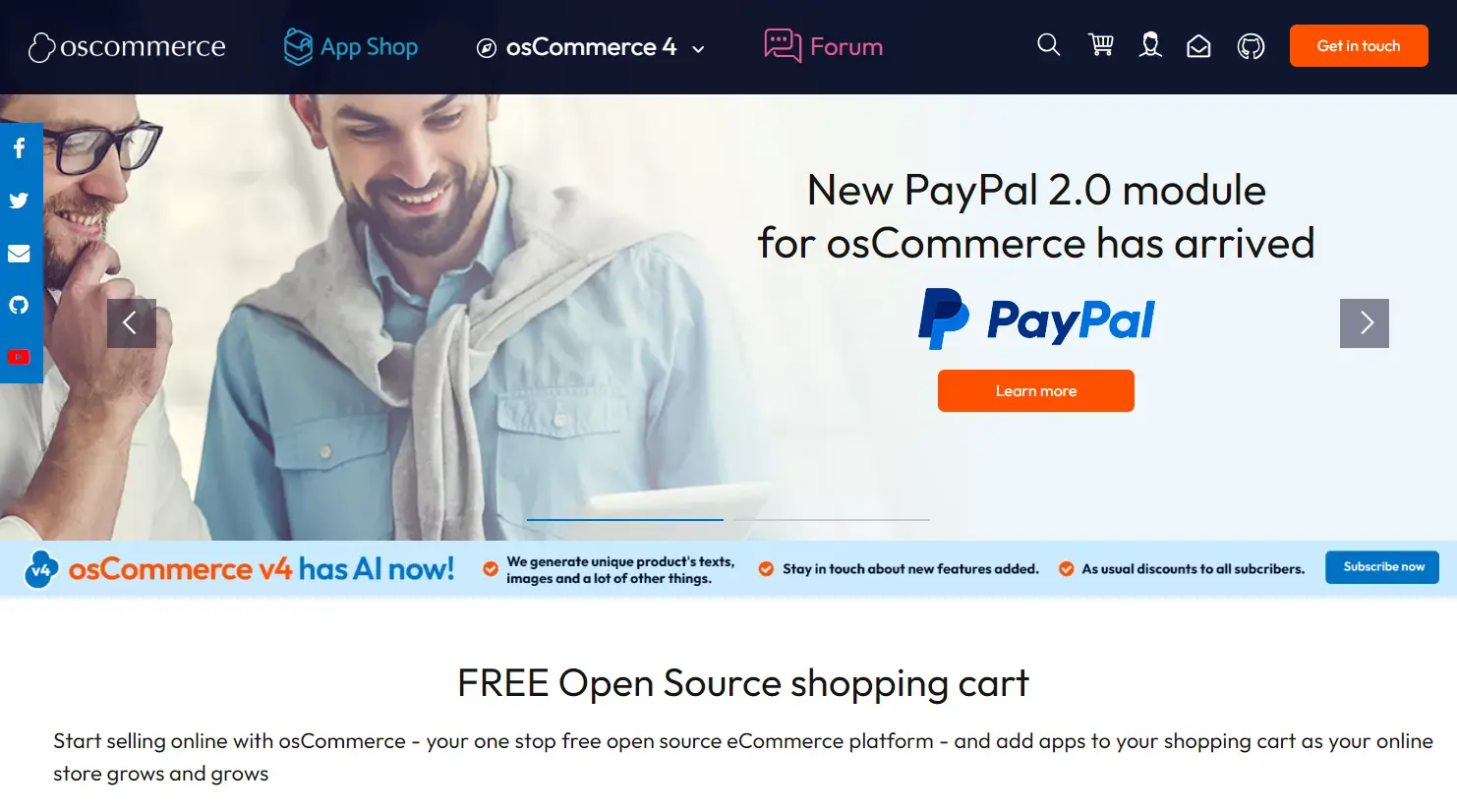
osCommerce is one of the longest-running open-source shopping cart projects. Its self-hosted approach offers control over store files and data, with community applications available for payment, shipping, design, and catalog requirements.
The platform can suit experienced users maintaining an established store or building a customized implementation. New merchants should confirm that their chosen release, theme, and add-ons meet current security and usability expectations.
Drupal Commerce is a flexible ecommerce framework built within the Drupal content management system. It is designed for custom product structures, complex business rules, multilingual content, integrations, and stores where commerce is part of a larger digital platform.
That flexibility comes with a steeper learning curve. Most successful implementations benefit from Drupal development experience and a clear plan for updates, custom modules, testing, and ongoing technical support.
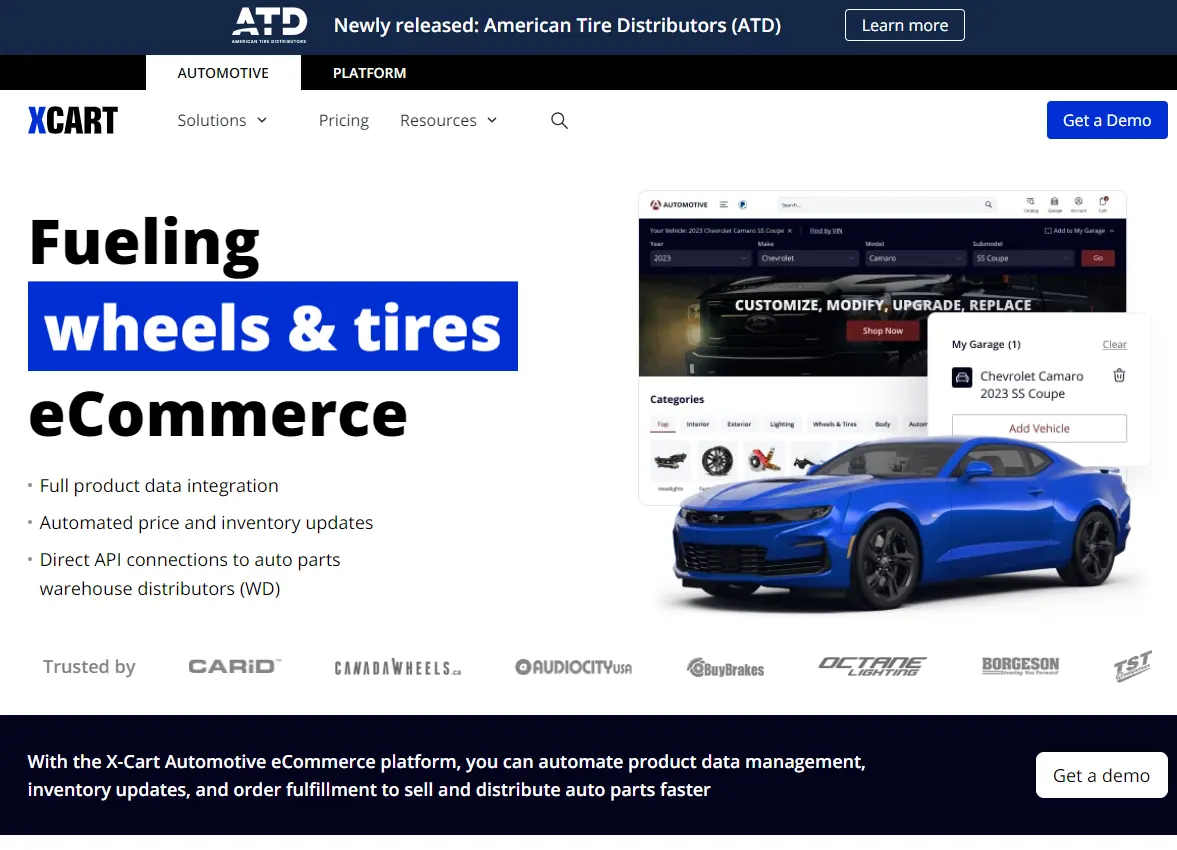
X-Cart offers ecommerce software for merchants who want control over catalog, customer, order, payment, and store data. Its product family includes self-hosted and managed approaches with features that vary by edition.
It can support customized catalogs and business workflows, but merchants should review edition pricing, extension requirements, upgrade paths, and developer needs. More specialized configurations may require additional implementation and maintenance time.

Zen Cart is a free self-hosted shopping cart focused on product, pricing, order, payment, shipping, and customer management. Its community has produced templates and add-ons for merchants who want to tailor the platform.
It is most suitable for users comfortable working with PHP applications or partnering with a developer. Themes and upgrades may require more hands-on work than newer hosted store builders.
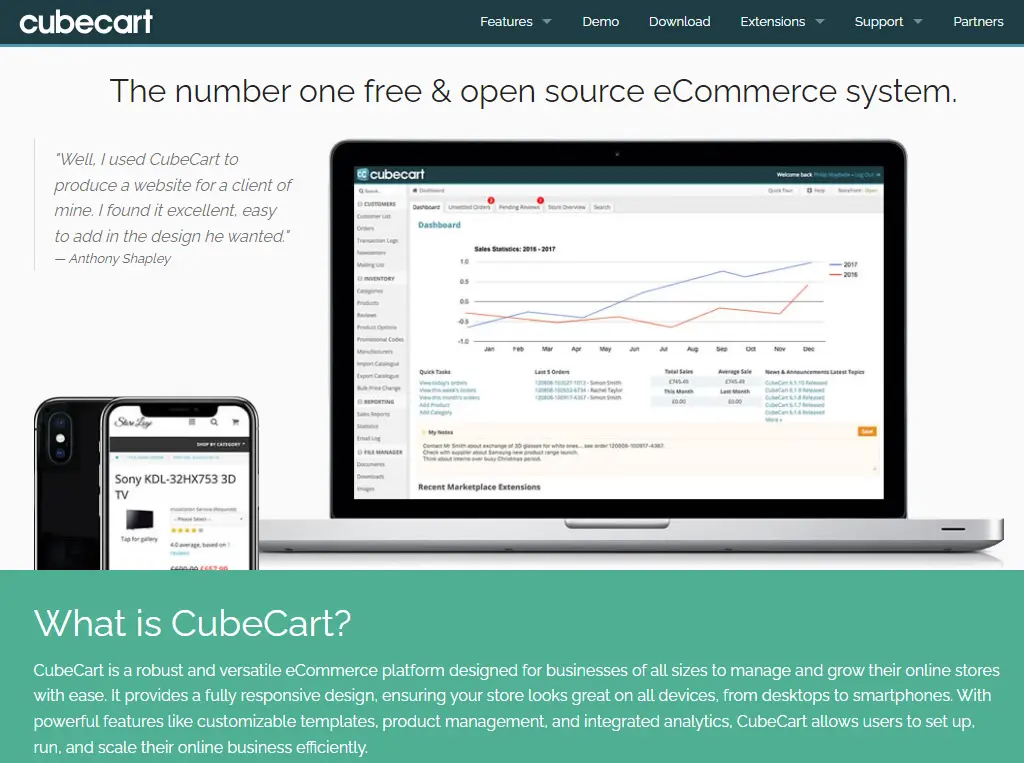
CubeCart is a self-hosted ecommerce application for selling physical or digital products. It includes catalog, order, customer, tax, language, and currency tools, with extensions available for payment processing, shipping, and marketing.
The core software is free and professional support is available. Merchants should evaluate theme quality, required extensions, and upgrade effort before choosing it for a long-term storefront.
Since 2001, Web Host Pro has helped website owners build, secure, and grow online with honest pricing, real support, and hosting tools that do not box them in.
Over two decades of real hosting experience behind every account, server, and support request.
Choose from cPanel web hosting, VPS, dedicated servers, and flexible tools that give your website room to grow.
Clear hosting prices without hidden fees, forced upsells, or confusing renewal traps.
Your website, email, and data stay private, secure, and protected from unnecessary tracking.
Get help from people close to the actual hosting environment, not a disconnected script-based support layer.
Start simple and scale into more power, control, and resources when your website needs it.
For more than 25 years, Web Host Pro has helped website owners, businesses, developers, and agencies keep their websites, email, and servers online with reliable hosting and direct support from experienced hosting professionals.
Explore reliable web hosting, VPS, dedicated servers, domains, and website services backed by fast real human support.
Reviewed by Web Host Pro Editorial Team · Updated
Use these Web Host Pro resources to verify company background, hosting guidance, support access, privacy terms, and service expectations. They help visitors compare hosting options with more context and give search engines clear article, policy, and contact paths from this page.
A practical guide to support, SSL, email, backups, performance, and upgrade paths for business websites.
Read GuideA plain-English comparison of standard web hosting and VPS hosting for growing websites.
Read GuideA guide to hosting price ranges, renewal checks, and what to review before choosing a plan.
Read Guide